The foundation is the least exciting part of a shed and the most important. A shed on a poor base will rack, doors will stick, and the floor can rot from below. The good news is that most backyard sheds do not need anything complicated. This guide compares the four most common shed foundation options so you can pick the right one for your yard and budget.
What a Shed Foundation Needs to Do
Every good shed foundation does three things:
- Stays level so the walls stay square and doors close properly.
- Drains water away so the floor framing does not sit in moisture.
- Lifts the wood off the ground to give air room to circulate.
Keep those three goals in mind as you compare the options below.
Option 1: Gravel Pad
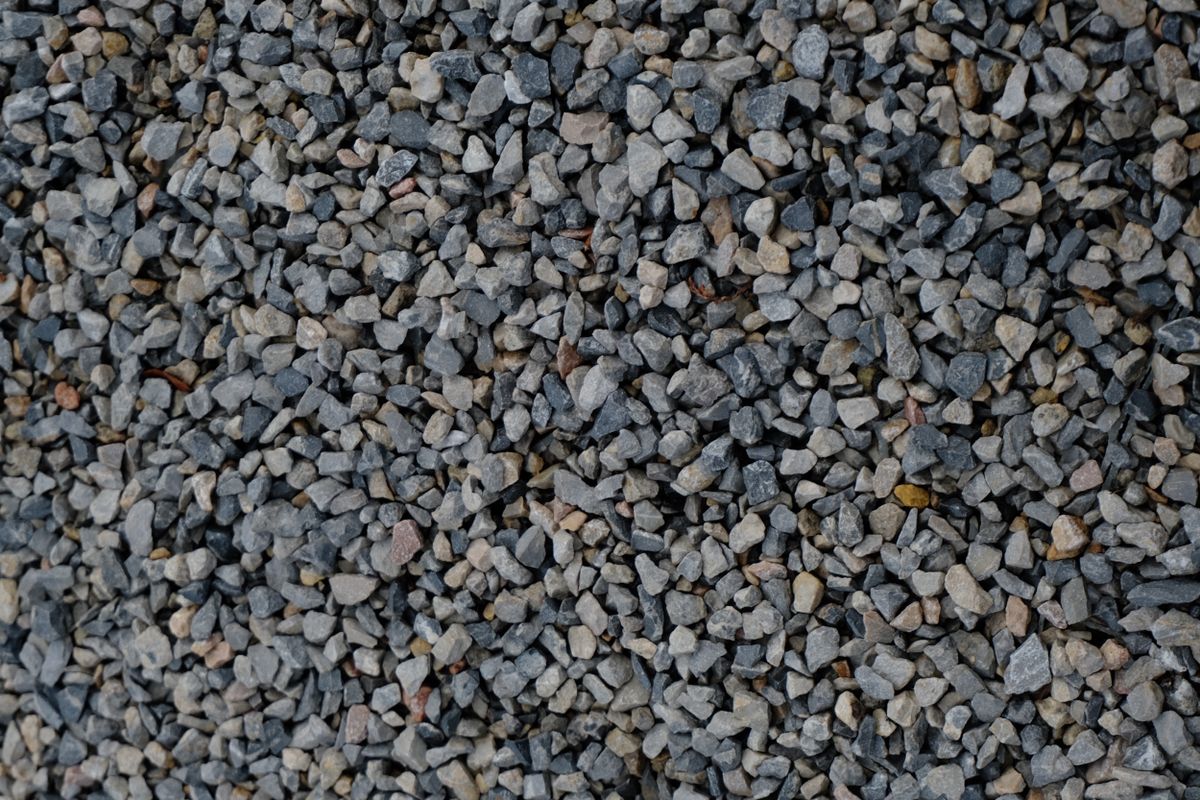
A gravel pad is a frame of pressure-treated timbers filled with compacted crushed stone. The shed floor sits on top of the gravel or on treated runners laid across it.
- Pros: excellent drainage, forgiving on slightly uneven ground, affordable, no concrete work.
- Cons: takes some digging and compacting, and you need to haul a fair amount of stone.
- Best for: most small and medium storage sheds.
Use angular crushed stone rather than round pea gravel. The sharp edges lock together and stay put when compacted.
Option 2: Concrete Deck Blocks
Precast concrete blocks are set in a grid, and the floor joists or beams rest on them. Some blocks have slots that hold a 4×4 post or a joist.
- Pros: quick to set up, low cost, works on gently sloped ground by adjusting block height.
- Cons: every block must be carefully leveled, and they can shift on soft soil or in freeze-thaw climates.
- Best for: small sheds on firm, well-drained ground.
Set each block on a compacted gravel base, not directly on soil, so it does not sink over time.
Option 3: Pressure-Treated Skids
Skids are two or more heavy treated timbers, often 4×6 or 6×6, laid on the ground or on gravel. The floor frame is built on top. Many prefab sheds use this method.
- Pros: simple, fast and the shed can be moved later if needed.
- Cons: needs a level, well-drained spot; wood in contact with soil eventually wears out.
- Best for: small sheds and portable designs.
Always use lumber rated for ground contact, and place skids on a gravel bed if you can.
Option 4: Concrete Slab
A poured concrete slab is the most permanent option. The shed walls are anchored directly to the slab.
- Pros: very solid, great for heavy equipment, workshops and larger sheds.
- Cons: the most expensive and labor-intensive option, often requires a permit, and is very hard to change later.
- Best for: large sheds, workshops, or sheds that will hold vehicles or heavy machines.
Quick Comparison
- Easiest for beginners: skids or concrete blocks
- Best drainage: gravel pad
- Most permanent: concrete slab
- Best all-around choice for a typical storage shed: gravel pad
How to Choose
Ask yourself four questions:
- How big and heavy will the shed and its contents be?
- Is the ground flat or sloped?
- Does water collect in that part of the yard after rain?
- Do you ever want to move the shed?
A small shed on flat, dry ground can sit happily on skids or blocks. A medium shed in a yard that gets wet does best on a gravel pad. A large workshop with heavy tools is a good case for a slab.
Tips for Any Foundation
- Check local rules first. Some areas specify foundation types for sheds above a certain size.
- Clear grass and topsoil from the area before you start.
- Use a long level or a string line to check level across the whole footprint.
- Leave a little extra space around the shed for drainage and maintenance.
Final Thoughts
For most backyard sheds, a well-built gravel pad gives the best mix of drainage, cost and durability. Whatever you choose, take the time to get it level: every step that follows will be easier. If you are still choosing a design, our step-by-step shed building overview walks through the full process, and our review of RyanShedPlans covers a large library of plans with materials lists.
Leave a Reply